
If you live in Toronto, you know the drill.
As November begins, the temperature plummets. The wind picks up. The indoor heating cranks to maximum. And your skin? It goes from comfortable to completely miserable in a matter of days.
Tight, flaky, red, irritated skin isn’t just uncomfortable—it’s painful. And no matter how much moisturizer you slather on, nothing seems to help.
Sound familiar?
You’re not alone. Toronto’s harsh winter climate—with temperatures regularly dropping below -10°C, brutal wind chill, and relentlessly dry indoor heating—creates the perfect storm for skin disaster. The combination of outdoor cold and indoor heat strips your skin of its natural moisture barrier, leaving it vulnerable, dehydrated, and desperately in need of help.
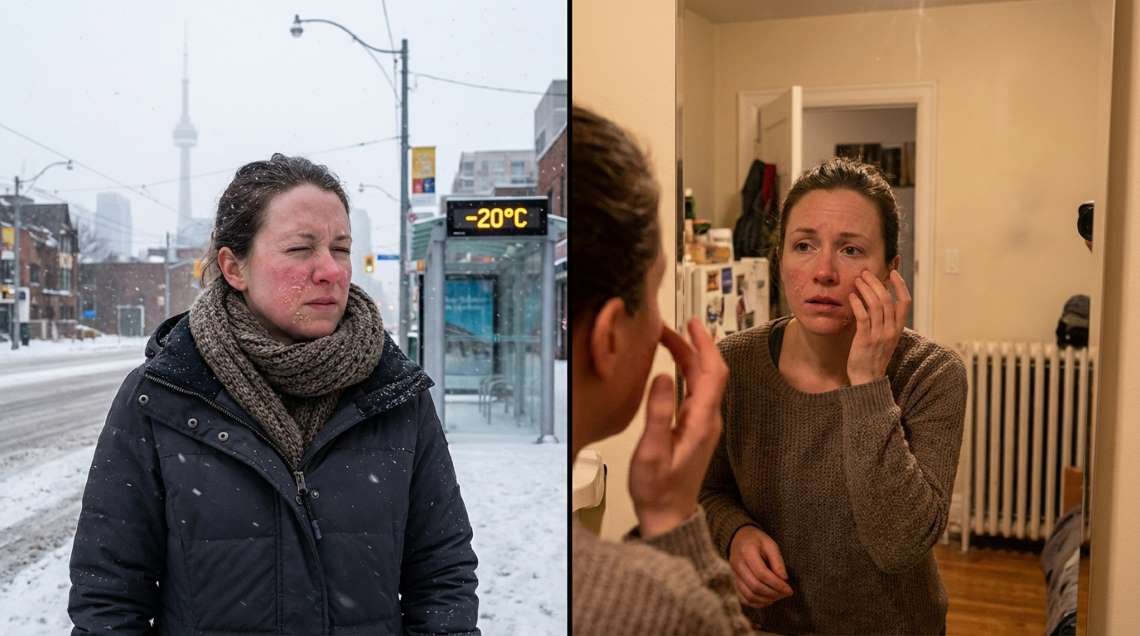
But here’s the good news: winter skin damage is preventable and treatable. With the right combination of professional treatments and at-home care, you can maintain healthy, glowing skin all winter long—even in Toronto’s most brutal months.
In this comprehensive guide, we’ll cover the five most common winter skin problems and how to address them; professional treatments that work for winter skin; a complete winter skincare routine for Toronto’s climate; common mistakes that make winter skin worse; and when to see a professional.
Let’s rescue your skin from Toronto’s winter.
Why Toronto Winter is So Hard on Your Skin
The Perfect Storm of Skin Damage
Toronto’s winter creates a unique combination of skin-damaging factors that few other climates can match. Understanding why your skin suffers so much during these months is the first step to protecting it.
Outdoor Conditions:
The outdoor environment in Toronto’s winter is brutal on the skin. Temperatures regularly plummet to -10°C to -20°C, with wind chill making it feel like -25°C to -35°C. The humidity drops to below 30%, creating desert-like conditions. Harsh winds whip across the city, literally stripping moisture from your skin with every gust. This combination of extreme cold, low humidity, and wind creates an environment where your skin cannot retain moisture.
Indoor Conditions:
But the outdoor cold is only half the problem. When you step inside, you’re met with forced-air heating that dries out the air even further. Indoor humidity often drops to 10-20%—that’s drier than the Sahara Desert. The constant temperature fluctuations between outdoor and indoor environments stress your skin, and the lack of fresh air circulation means you’re breathing recirculated, dry air for hours at a time.
The Result:
Your skin’s natural moisture barrier breaks down under this assault. Water evaporates from your skin faster than your body can replace it. Your skin becomes dehydrated, irritated, and inflamed. And the cycle continues day after day, week after week, from November through March.
This isn’t just a cosmetic issue—it’s a skin health crisis that requires immediate attention and proper care.
5 Common Winter Skin Problems (And How to Fix Them)
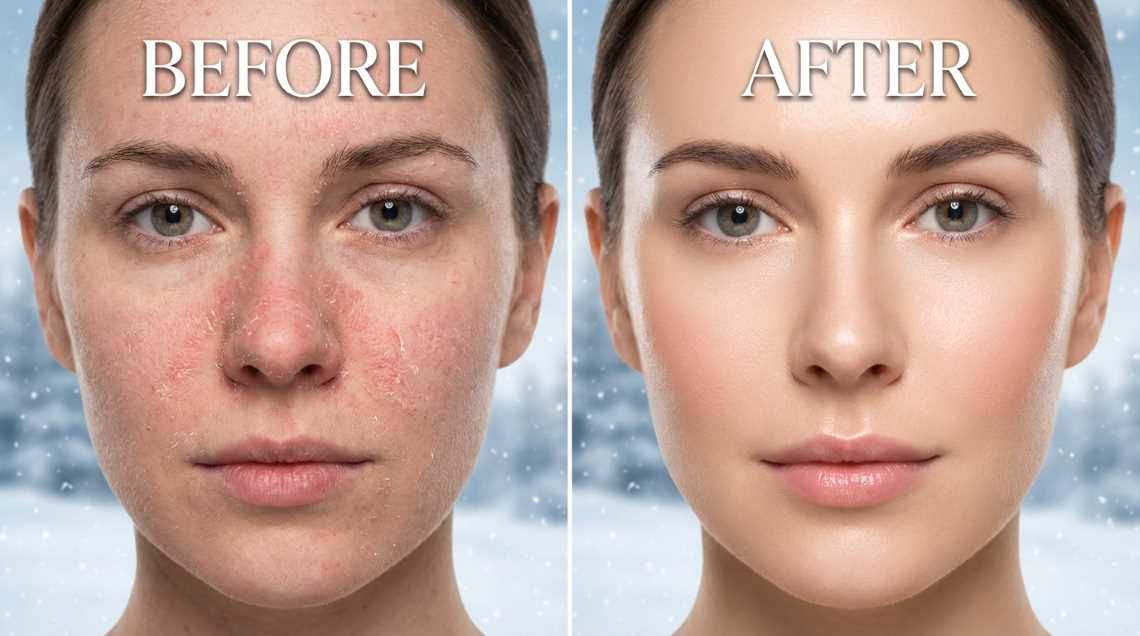
Caption: Real results: From winter-damaged to radiant in just 3 treatments
1. Extreme Dryness and Dehydration
What It Looks Like:
Extreme dryness is the most common winter skin complaint we see at Medica Laser Spa. Your skin feels tight and uncomfortable, especially after washing. You notice visible flaking and peeling, particularly on your cheeks, forehead, and around your nose. The texture becomes rough and uneven, and fine lines appear more pronounced than they did in summer. Makeup doesn’t apply smoothly—it cakes and settles into dry patches. And no matter how much moisturizer you use, your skin still feels “thirsty” an hour later.
Why It Happens:
Toronto’s winter air—both outside and inside—has extremely low humidity. When humidity drops below 30%, moisture evaporates from your skin faster than your body can replace it. Your skin’s natural lipid barrier, which typically locks in moisture, begins to break down. This allows even more moisture to escape, creating a vicious cycle of dehydration.
Indoor heating makes the situation worse. Forced-air heating systems reduce indoor humidity to desert levels, often to 10-20%. In this environment, your skin literally cannot retain moisture, no matter what you do. Dry air pulls water from your skin cells, leaving them shrivelled and dehydrated.
Professional Solutions:
HydraFacial ($200-350)
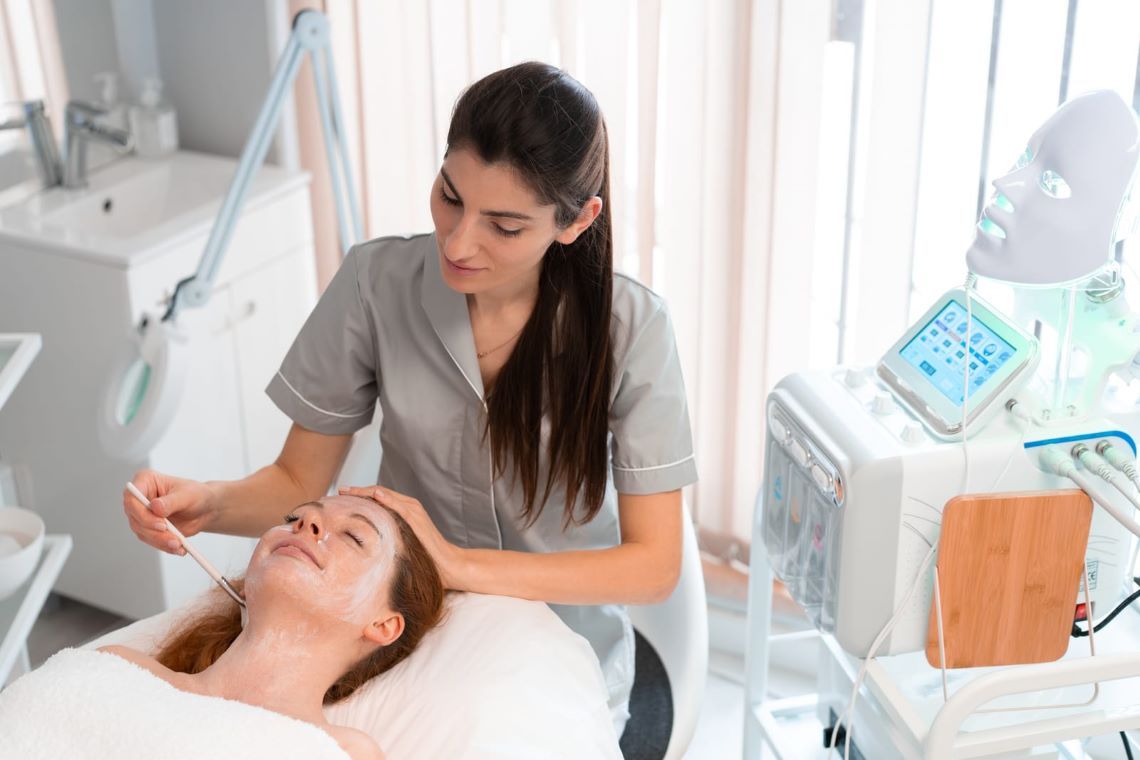
HydraFacial is our most popular winter treatment for good reason. This multi-step treatment uses patented vortex technology to deeply cleanse, exfoliate, extract, and hydrate your skin at multiple levels. Unlike traditional facials, HydraFacial infuses your skin with hyaluronic acid, peptides, and antioxidants while simultaneously removing dead skin cells that block moisture absorption.
The treatment takes 30-60 minutes, has zero downtime, and delivers results you can see immediately. Your skin will look plumper, feel softer, and have a visible glow. The effects last 4-6 weeks, making monthly HydraFacials the perfect winter maintenance treatment.
Hydrating Chemical Peels ($150-300)
Chemical peels might seem counterintuitive for dry skin, but hydrating peels are specifically formulated to remove the dead, flaky skin buildup that prevents your moisturizers from penetrating. By removing this barrier, your skincare products can work up to 10 times more effectively.
We use gentle acids like lactic acid or mandelic acid for winter peels. These not only exfoliate but also draw moisture into the skin. You’ll experience 2-3 days of light flaking, followed by noticeably smoother, more hydrated skin that absorbs and retains moisture better.
Oxygen Facial ($150-250)
For severely dehydrated winter skin, oxygen facials deliver immediate relief. This treatment uses pressurized oxygen infused with hydrating serums to deliver moisture deep into your skin layers. The oxygen helps your skin cells function more efficiently, improving their ability to retain water.
The result is immediate plumpness, reduced tightness, and a comfortable feeling that lasts 2-4 weeks. It’s perfect for emergency hydration before events or as a monthly maintenance treatment.
At-Home Solutions:
Your at-home routine is just as important as professional treatments. Start your morning with a gentle, creamy cleanser—avoid foaming cleansers, as they strip your skin’s natural oils. Apply a hydrating toner or essence while your skin is still damp, then immediately follow with a hyaluronic acid serum. Hyaluronic acid can hold up to 1,000 times its weight in water, but it needs to be applied to damp skin to work effectively.
Layer a rich, emollient moisturizer over your serum. In winter, you need more than you think—don’t be afraid to use a generous amount. Finally, apply SPF 30 or higher. Yes, even in winter! UV rays penetrate clouds and reflect off snow, potentially causing more damage than summer sun.
In the evening, start with an oil-based cleanser or cleansing balm to remove makeup, SPF, and pollution. Follow with a gentle second cleanse, then apply your hydrating toner to damp skin. Layer on hydrating serums, then add 3-5 drops of facial oil. Rosehip, squalane, or marula oil works beautifully for winter. Finally, seal everything in with a rich, occlusive night cream.
Two to three times per week, use hydrating sheet masks. Leave them on for 15-20 minutes, then pat in the remaining essence. Once a week, use a gentle enzyme exfoliation to remove dead skin buildup without damaging your compromised barrier.
Essential additions to your winter routine include a bedroom humidifier (target 40-50% humidity), thermal water spray used throughout the day to refresh and hydrate, and an SPF lip balm that you reapply frequently.
2. Redness and Sensitivity
What It Looks Like:
Winter redness is more than just rosy cheeks. You’ll notice persistent redness, especially on your cheeks, nose, and chin. Visible broken capillaries appear, creating a web-like pattern under your skin. Your skin feels hot, burning, or stinging, even when you’re not outside. Products that worked well in summer are now causing reactions, and your skin feels inflamed and reactive to everything.
Why It Happens:
The extreme temperature fluctuations between Toronto’s frigid outdoor air and overheated indoor spaces cause your blood vessels to rapidly constrict and dilate. When you go from -20°C outside to +22°C inside, your capillaries expand quickly to warm your skin. Do this multiple times a day, every day, for months, and those capillaries become damaged and permanently dilated.
Wind exposure compounds the problem. Toronto’s winter winds literally damage your skin’s protective barrier, allowing irritants to penetrate more easily. Once your barrier is compromised, everything becomes an irritant—even products you’ve used for years.
Professional Solutions:
LED Light Therapy ($75-150 per session)
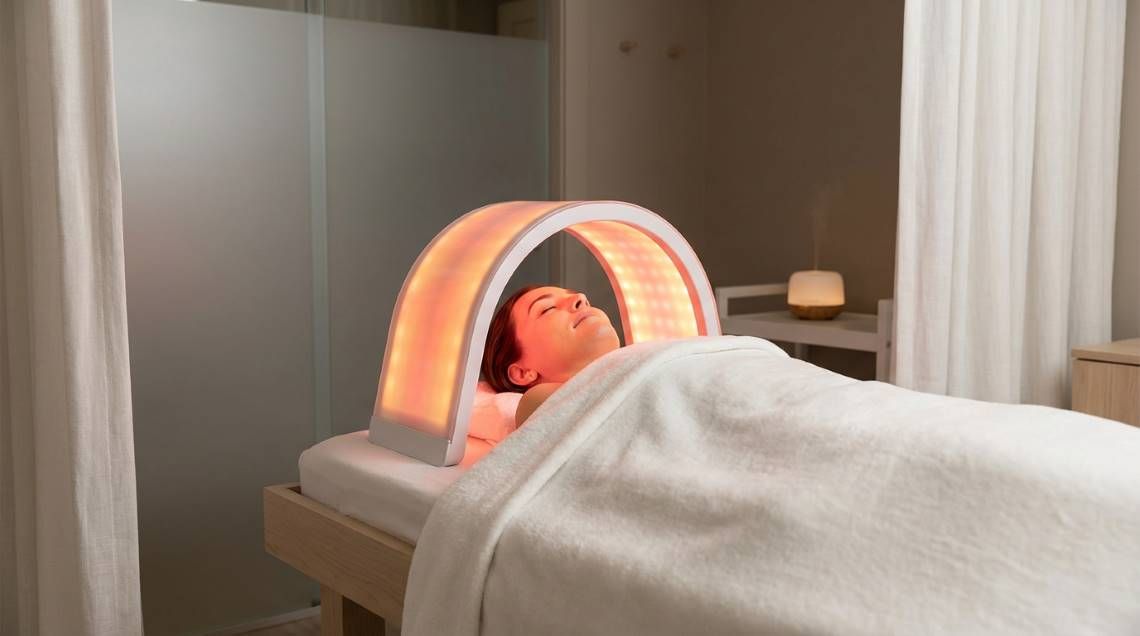
LED light therapy is one of the most effective treatments for winter redness and sensitivity. Red light wavelengths penetrate deep into your skin, reducing inflammation at the cellular level. They promote healing, strengthen capillaries, and calm reactive skin without any irritation.
We recommend starting with twice-weekly treatments for four weeks, then weekly maintenance. Each session takes 20-30 minutes, has zero downtime, and you’ll notice your skin becoming progressively calmer and less reactive.
Gentle HydraFacial ($200-350)
For sensitive winter skin, we customize the HydraFacial with calming serums containing green tea, chamomile, and niacinamide. We avoid aggressive extractions and focus on gentle hydration and barrier repair. The treatment immediately reduces redness and strengthens your skin’s protective barrier, making it less reactive over time.
IPL Photofacial ($300-500)
If you have visible broken capillaries from years of Toronto winters, an IPL (Intense Pulsed Light) photofacial can significantly reduce them. The light energy targets the damaged blood vessels, causing them to collapse and be reabsorbed by your body. You’ll see overall redness decrease and a more even skin tone.
There’s minimal downtime—slight redness for 1-2 days—and results improve over 3-5 treatments spaced 4 weeks apart.
At-Home Solutions:
For red, sensitive winter skin, your routine needs to be gentle and calming. Use only lukewarm water—never hot. Choose fragrance-free products exclusively, as fragrance is a common irritant. Apply all products to damp skin using gentle pressing motions, never rubbing. Use mineral SPF rather than chemical, as it’s less likely to irritate.
Before going outside, wear a scarf over your face to protect your skin from the wind. Apply a rich barrier cream as the last step in your routine to create a protective layer against the elements.
Avoid harsh exfoliants entirely. Don’t use active ingredients such as retinol or acids daily; limit to 2-3 times per week at most. Never take hot showers or baths. Don’t use foaming cleansers. Never go outside without face protection.
Look for calming ingredients in your products. Centella asiatica (also called cica) is incredibly soothing and promotes healing. Niacinamide strengthens your barrier and reduces redness. Colloidal oatmeal calms irritation immediately. Ceramides repair your protective barrier. Allantoin soothes and heals. And green tea extract provides anti-inflammatory benefits.
3. Dullness and Lack of Glow
What It Looks Like:
Winter dullness is frustrating because your skin looks gray, tired, and lifeless despite your best efforts. You’ve lost your natural radiance and glow. Your skin tone appears uneven, and makeup looks flat no matter what you do. The texture feels rough and bumpy, and nothing you try seems to bring back that healthy glow.
Why It Happens:
Cold weather reduces blood circulation to your skin’s surface. With reduced blood flow, your skin receives less oxygen and fewer nutrients, resulting in a dull, grayish appearance. Additionally, dead skin cells accumulate more quickly in winter because dry air slows natural shedding. This buildup creates a rough, dull surface that reflects light poorly, making your skin look lifeless.
Professional Solutions:
Chemical Peels ($150-400)
Chemical peels are excellent for removing the dead skin buildup that causes winter dullness. We use different types depending on your skin’s needs and sensitivity. Glycolic acid peels provide dramatic brightening but require 5-7 days of downtime. Lactic acid peels are gentler, more hydrating, and perfect for dry winter skin with 3-5 days of light flaking. Enzyme peels use fruit enzymes instead of acids, making them ideal for very sensitive skin with minimal downtime.
After a peel, you’ll notice an immediately smoother texture, brighter tone, and better product absorption. Your skin will literally glow. Results last 4-8 weeks, making peels every 4-6 weeks an excellent winter maintenance treatment.
Microdermabrasion ($100-200)
Microdermabrasion uses gentle physical exfoliation to remove the outer layer of dead skin and improve circulation. The treatment takes 30-45 minutes, has zero downtime, and delivers an immediate glow. It’s perfect for a quick refresh before events or as monthly maintenance.
HydraFacial with Booster ($250-400)
Adding a brightening booster to your HydraFacial supercharges the glow factor. We can add vitamin C, glycolic acid, or other brightening ingredients to target dullness specifically. The combination of exfoliation, extraction, and brightening serums creates immediate, dramatic radiance.
Dermaplaning ($100-175)
Dermaplaning uses a surgical blade to gently remove dead skin and vellus hair (peach fuzz). The result is ultra-smooth skin with an immediate glow. Makeup applies flawlessly, and your skincare products penetrate better. There’s no downtime, and results last 3-4 weeks.
At-Home Solutions:
Your exfoliation strategy is key to maintaining a winter glow. Use a gentle chemical exfoliant like lactic acid or mandelic acid 1-2 times per week. Once weekly, use an enzyme mask with papaya or pumpkin enzymes. Avoid harsh scrubs entirely—they damage your already-compromised winter skin barrier.
Build a glow-boosting routine by exfoliating in the evening 2 times per week. Use a vitamin C serum every morning for brightening and antioxidant protection. Apply niacinamide serum in the morning or evening to improve tone and texture. Use a hydrating essence to add luminosity. And consider an illuminating moisturizer or primer for extra glow.
Lifestyle factors matter too—drink 2-3 litres of water daily to stay hydrated. Exercise regularly to increase circulation and bring blood flow to your skin. Get adequate sleep—7-9 hours nightly—as this is when your skin repairs itself. Eat antioxidant-rich foods like berries, leafy greens, and nuts. And consider taking omega-3 supplements to support skin health from the inside out.
4. Increased Breakouts
What It Looks Like:
Winter breakouts are frustrating because they seem to contradict the dry skin you’re experiencing. You notice more frequent breakouts than usual, clogged pores and blackheads, a confusing combination of dry patches and oily areas, painful under-the-skin bumps that won’t come to a head, and breakouts that take a long time to heal.
Why It Happens:
This seems counterintuitive—how can dry winter skin cause breakouts? Here’s the mechanism: Your skin becomes dehydrated, so it overcompensates by producing more oil. You switch to heavy, rich moisturizers to combat dryness, but these can clog pores. Dead skin cells accumulate when you avoid exfoliating your dry skin, and they trap oil and bacteria. Additionally, wearing scarves and high-necked clothing creates friction and traps bacteria against your skin.
The result is a perfect storm of clogged pores, excess oil, and bacterial growth—all while your skin feels dry and tight.
Professional Solutions:
Customized Facial ($120-200)
A customized facial for combination winter skin addresses both dryness and breakouts simultaneously. We perform gentle extractions to clear clogged pores, apply balancing treatments that hydrate without clogging, and use targeted serums for different areas of your face. The goal is hydration where you need it and clarification where you’re breaking out.
We recommend these facials every 4-6 weeks to keep your skin balanced and clear throughout winter.
Chemical Peels ($150-300)
Salicylic acid peels are specifically formulated for acne-prone skin. Salicylic acid is oil-soluble, meaning it penetrates pores to unclog them from within. It also reduces oil production and exfoliates dead skin cells. You’ll experience minimal downtime—2-4 days of light flaking—followed by clearer, more balanced skin.
HydraFacial with Clarifying Booster ($250-400)
The clarifying HydraFacial includes deep pore cleansing to extract blackheads and congestion, salicylic acid to unclog pores, hydration that won’t clog pores, and blue LED light therapy to kill acne-causing bacteria. It’s the perfect treatment for winter combination skin because it addresses both dryness and breakouts simultaneously, with zero downtime.
At-Home Solutions:
The key to managing winter breakouts is balance. Use lightweight, non-comedogenic moisturizers that won’t clog pores. Don’t skip moisturizer, thinking it will reduce oil—dehydration actually causes more oil production. Exfoliate regularly with salicylic acid 2-3 times per week to prevent the buildup of dead skin. Use salicylic acid on breakout-prone areas like your T-zone, but hydrate the rest of your face with gentler products.
Your product strategy should include a gentle, pH-balanced cleanser that won’t strip your skin. Use salicylic acid 2% as an exfoliant 2-3 times per week on oily areas. Apply hyaluronic acid serum for hydration without heaviness. Choose a gel-cream or lightweight lotion as your moisturizer. Use benzoyl peroxide or salicylic acid as a spot treatment for active breakouts.
Make lifestyle adjustments, too. Wash scarves, hats, and high-necked clothing regularly—bacteria build up on these items and can transfer to your skin. Change your pillowcases twice per week. Don’t touch your face throughout the day. And always remove makeup before bed, no matter how tired you are.
5. Eczema and Dermatitis Flare-Ups
What It Looks Like:
Winter eczema and dermatitis are painful and distressing. You’ll see red, inflamed patches on your face, hands, or body. The itching is intense and often disrupts sleep. Skin becomes dry, scaly, or cracked. In severe cases, you may notice weeping or crusting. The affected areas feel painful and burning, and the patches can appear anywhere but are common on the hands, face, neck, and body.
Why It Happens:
Toronto’s winter is a perfect trigger for eczema and dermatitis flare-ups. Low humidity, harsh winds, and indoor heating compromise your skin barrier, allowing irritants and allergens to penetrate. For those with eczema, this means frequent, painful flare-ups that can last weeks or months without proper treatment.
When to See a Professional:
You should book a consultation if you experience severe itching that disrupts your sleep, widespread rashes covering large areas of your body, signs of infection such as pus, extreme redness, or fever, flare-ups that don’t respond to over-the-counter treatments, or painful cracking or bleeding.
These symptoms may require prescription treatments, including topical steroids, immunomodulators, or biologics. Don’t suffer unnecessarily—professional help can provide significant relief.
Professional Solutions:
Medical-grade treatments for eczema include prescription topical steroids for severe inflammation, non-steroidal anti-inflammatory creams for sensitive areas, barrier-repair treatments to rebuild the protective layer, and phototherapy for severe, resistant cases.
Once your flare-up is under control, supportive spa treatments can help maintain your skin. Gentle, soothing facials with fragrance-free products can hydrate without irritation. LED light therapy using red light promotes healing and reduces inflammation. And hydrating treatments once your flare-up has subsided can prevent future episodes.
At-Home Management:
Managing eczema at home requires a gentle, consistent approach. Use only fragrance-free, hypoallergenic products. Apply thick ointments, such as petroleum jelly or Aquaphor, to lock in moisture. Take short, lukewarm showers—never hot water. Gently pat your skin dry instead of rubbing. Apply moisturizer within three minutes of bathing to trap water in your skin. Use a humidifier to maintain 40-50% humidity. Wear soft, breathable fabrics like cotton—avoid wool and synthetic materials that can irritate the skin.
Equally important is what not to do. Don’t use hot water on your skin. Don’t use harsh soaps or cleansers with sulphates. Don’t over-exfoliate or use scrubs. Don’t scratch—use a cold compress instead to relieve itching. And don’t ignore flare-ups—treat them immediately before they worsen.
Professional Winter Skin Treatments at Medica Laser Spa
[IMAGE: winter_skincare_routine_infographic.png – Centred, 70% width]
Caption: Follow this complete winter skincare routine for healthy, hydrated skin all season long
1. HydraFacial – The Winter Skin Saviour
What It Is:
HydraFacial is a multi-step treatment that cleanses, exfoliates, extracts, and hydrates using patented vortex technology. Unlike traditional facials that can be harsh or irritating, HydraFacial is gentle enough for even the most sensitive winter skin while delivering dramatic results.
Why It’s Perfect for Winter:
HydraFacial deeply hydrates at multiple skin layers, not just the surface. It removes dead skin buildup gently without damaging your compromised barrier. The treatment infuses your skin with nourishing serums customized to your specific needs. There’s no irritation, redness, or downtime—you can go straight from your appointment to dinner. And the results are immediate and visible: your skin looks plumper, feels softer, and has a natural glow.
What to Expect:
The treatment takes 30-60 minutes, depending on which level you choose. There’s zero downtime—you can apply makeup immediately if desired. Results are immediate: you’ll see a glow, feel hydration, and notice smoothness right away. The effects last 4-6 weeks, making monthly treatments ideal. We recommend monthly HydraFacials throughout the winter months to maintain optimal skin health.
Pricing:
•Express HydraFacial: $200 (30 minutes, essential steps)
•Signature HydraFacial: $300 (60 minutes, includes boosters)
•Platinum HydraFacial: $400 (90 minutes, includes LED therapy and lymphatic drainage)
2. Chemical Peels – Reveal Fresh, Glowing Skin
What It Is:
Chemical peels involve applying medical-grade acids to remove dead skin and stimulate cellular renewal. This reveals fresh, healthy skin beneath the surface and improves your skin’s ability to absorb and retain moisture.
Winter-Appropriate Peels:
We offer several peel options suitable for winter skin. Lactic acid peels are gentle and hydrating, perfect for dry winter skin. They provide brightening and smoothing with minimal downtime. Mandelic acid peels are gentler and suitable for sensitive skin, with antibacterial properties that help prevent winter breakouts. Enzyme peels contain no acids; instead, they use fruit enzymes, making them ideal for very sensitive winter skin with virtually no downtime.
What to Expect:
The treatment takes 30-45 minutes. You’ll experience 3-7 days of light flaking depending on the peel strength. Results include smoother texture, brighter tone, more even complexion, and better product absorption. The effects last 4-8 weeks. We recommend treatments every 4-6 weeks throughout winter for optimal results.
Pricing: $150-300, depending on peel type and strength
3. LED Light Therapy – Healing and Calming
What It Is:
LED light therapy exposes your skin to specific wavelengths of light that trigger cellular healing responses. Different colours offer distinct benefits, all without heat, pain, or downtime.
Benefits for Winter Skin:
Red light reduces inflammation, promotes healing, boosts collagen production, and strengthens capillaries. Blue light kills acne-causing bacteria and reduces breakouts. Amber light calms redness, soothes sensitivity, and supports overall skin health.
What to Expect:
Each treatment takes 20-30 minutes. There’s zero downtime—you can return to your day immediately. Results are cumulative, building over time. You’ll notice reduced redness, calmer skin, improved healing, and fewer breakouts. Results are cumulative, meaning they are obtained over a series of treatments. We recommend twice per week for four weeks, then weekly maintenance throughout winter.
Pricing: $75-150 per session, or add to any facial for $50
4. Oxygen Facial – Intense Hydration Boost
What It Is:
Oxygen facials deliver pressurized oxygen infused with hydrating serums directly to your skin. This provides moisture and oxygen to your skin cells, improving their function and appearance.
Why It Works:
The pressurized delivery system pushes moisture deep into your skin layers where topical products can’t reach. Oxygen helps your skin cells function more efficiently, improving their ability to retain water and repair damage. The result is immediate plumpness, intense hydration, reduced tightness and discomfort, and a healthy, natural glow.
What to Expect:
The treatment takes 45-60 minutes. There’s zero downtime. Results are immediate: you’ll feel and see the difference right away. The effects last 2-4 weeks. We recommend treatments every 3-4 weeks throughout winter, or before special events for an instant glow.
Pricing: $150-250
5. Customized Facials – Targeted Winter Care
What It Is:
Our customized facials are personalized treatment sessions addressing your specific winter skin concerns. No two facials are exactly alike—we tailor every step to your skin’s current needs.
Customization Options:
We offer several focus areas. Hydration-focused facials are designed for severe dryness and dehydration and use intensive moisture masks and serums. Calming and soothing facials target redness and sensitivity with anti-inflammatory ingredients. Balancing facials address combination winter skin with both dry and oily areas. Anti-aging facials combat winter-exacerbated fine lines and loss of firmness.
What to Expect:
Treatments take 60-90 minutes. There’s zero downtime. Results include addressing specific concerns, promoting deep relaxation, improving overall skin health, and providing a customized at-home care plan. The effects last 3-4 weeks. We recommend monthly facials throughout winter for optimal skin health.
Pricing: $120-200, depending on customization level
Your Complete Winter Skincare Routine for Toronto
Morning Routine (5-7 minutes)
Step 1: Gentle Cleanse
Start your day with lukewarm water—never hot, as hot water strips your skin’s natural protective oils. Use a cream or oil-based cleanser that doesn’t foam. Foaming cleansers contain sulphates that are too harsh for winter skin. Massage gently for 30-60 seconds, then rinse thoroughly. Gently pat your skin dry with a soft towel—don’t rub, as this can irritate already-compromised skin.
Step 2: Hydrating Toner
While your skin is still slightly damp, apply a hydrating toner or essence. This step is crucial in winter because it adds an extra layer of hydration and helps subsequent products absorb more effectively. Pat the toner into your skin with your hands—don’t use a cotton pad, as this wastes product and can be abrasive.
Step 3: Hydrating Serum
Immediately after toning, while your skin is still damp, apply a hyaluronic acid serum. Hyaluronic acid is a humectant that can hold up to 1,000 times its weight in water, but it requires moisture to bind to water. That’s why you apply it to damp skin—it grabs the water and pulls it into your skin. Use 2-3 drops and press it gently into your face and neck.
Step 4: Eye Cream
The skin around your eyes is the thinnest and most delicate on your face, making it especially vulnerable to winter damage. Use a rich, nourishing eye cream and pat it gently around your orbital bone. Never rub or pull this delicate area.
Step 5: Moisturizer
This is where you seal in all the hydration you’ve just layered. In winter, you need a rich, emollient cream—not a lightweight lotion. Look for ingredients like ceramides, shea butter, and glycerin. Use more than you think you need. Your skin should feel comfortable and protected, not tight or greasy.
Step 6: SPF
This is non-negotiable, even in winter. UV rays penetrate clouds and reflect off snow, potentially causing more damage than summer sun. Use a mineral SPF 30-50 with zinc oxide or titanium dioxide. Mineral sunscreens are less irritating than chemical ones for winter-compromised skin. Apply a nickel-sized amount and reapply if you’ll be spending extended time outdoors.
Optional Addition:
If your skin is dehydrated, add 1-2 drops of facial oil before your moisturizer. Rosehip, squalane, or marula oil works beautifully for winter skin.
Evening Routine (10-12 minutes)
Step 1: First Cleanse (if wearing makeup)
If you wear makeup or SPF during the day, start with an oil-based cleanser or cleansing balm. This removes makeup, SPF, and pollution without stripping your skin. Massage it into dry skin for 1-2 minutes, then add water to emulsify and rinse thoroughly.
Step 2: Second Cleanse
Follow with a gentle, creamy cleanser to remove any remaining impurities. This double cleanse ensures your skin is spotless without being stripped. Rinse with lukewarm water and pat dry.
Step 3: Exfoliate (2-3 times per week only)
On exfoliation nights, use a chemical exfoliant like lactic acid or mandelic acid, or an enzyme mask. Never use physical scrubs in winter—they’re too harsh for compromised skin. Apply your exfoliant, wait 5-10 minutes, then continue with your routine. On non-exfoliation nights, skip this step entirely.
Step 4: Hydrating Toner
Apply your hydrating toner to damp skin. In winter, you can apply multiple layers—pat one layer in, wait 30 seconds, then use another. This technique, called “toner layering,” provides intense hydration.
Step 5: Treatment Serums
This is when you apply your active ingredients. Layer them from thinnest to thickest consistency. Start with a hydrating serum containing hyaluronic acid. Add niacinamide serum for calming and barrier repair. If you use vitamin C and didn’t apply it in the morning, you can use it here. If you use retinol, apply it no more than 2-3 times per week in winter—your skin is more sensitive and may not tolerate daily use as well.
Step 6: Eye Cream
Apply your rich, nourishing eye cream, patting it gently around the orbital bone. Take your time with this step—it’s also a nice moment of self-care.
Step 7: Facial Oil
This step is essential in winter. Apply 3-5 drops of facial oil and press it into your skin. Don’t rub—press and pat. The oil creates a protective layer that helps retain the hydration you’ve applied.
Step 8: Night Cream
Finish with a rich, occlusive night cream. This is your final seal, locking in all the previous layers and preventing transepidermal water loss while you sleep. Don’t skimp on this step—use a generous amount.
Optional Addition:
Two to three times per week, use an overnight sleeping mask as your final step. These intensive treatments provide extra hydration and repair while you sleep.
Weekly Treatments
2-3 Times Per Week: Hydrating Sheet Masks
Sheet masks are an easy way to boost hydration. After cleansing and toning, apply a hydrating sheet mask and leave it on for 15-20 minutes. Remove the mask and pat in the remaining essence—don’t rinse it off. Follow with your routine.
1-2 Times Per Week: Gentle Exfoliation
Use a chemical exfoliant containing lactic acid, mandelic acid, or fruit enzymes. Never use harsh scrubs, especially in winter when your barrier is already compromised.
1 Time Per Week: Deep Conditioning Mask
Once a week, use a deep-conditioning or sleeping mask. Leave it on for 10-20 minutes (or overnight for sleeping masks) for intensive hydration and repair.
Monthly: Professional Treatment
Schedule a professional facial or treatment monthly to maintain your skin’s health through winter. This professional care makes a significant difference in how your skin weathers the season.
Winter Skincare Mistakes to Avoid
❌ Mistake #1: Taking Hot Showers
Hot water feels fantastic on a freezing Toronto day, but it’s one of the worst things you can do to your skin. Hot water strips your skin’s natural oils, destroying your moisture barrier. The hotter the water, the more damage it causes. And the damage is cumulative—every hot shower worsens your winter skin.
What to Do Instead:
Use lukewarm water for all face washing and showering. Keep showers under 10 minutes—long showers, even with lukewarm water, can be drying. Apply moisturizer within three minutes of showering to trap water in your skin. If you must have warmth, heat your bathroom before showering so you can use cooler water comfortably.
❌ Mistake #2: Over-Exfoliating
In summer, you might exfoliate 3-4 times per week without issues. However, winter skin is already compromised, and harsh exfoliation further damages your barrier. This causes increased dryness, greater sensitivity, increased irritation, and a longer recovery time.
What to Do Instead:
Limit exfoliation to 1-2 times per week maximum. Use gentle chemical exfoliants like lactic acid or enzymes—never physical scrubs. If your skin feels irritated, reduce frequency to once per week or stop entirely until your barrier recovers. Listen to your skin—if it’s red, stinging, or extra sensitive, you’re exfoliating too much.
❌ Mistake #3: Skipping SPF
Many people think they don’t need SPF in winter because the sun isn’t as intense. This is dangerously wrong. UV rays penetrate clouds year-round. Snow reflects up to 80% of UV rays, potentially doubling your exposure. Winter sun can be just as damaging as summer sun. And UV damage is cumulative—every unprotected day adds up.
What to Do Instead:
Wear SPF 30 or higher every single day, regardless of the weather. Reapply if you’re spending extended time outdoors. Use mineral SPF if your skin is sensitive—it’s less irritating than chemical sunscreen. Make SPF the non-negotiable final step of your morning routine.
❌ Mistake #4: Using Summer Products
Your lightweight summer moisturizer isn’t hydrating enough for Toronto’s brutal winter. Summer products are formulated for humidity and heat, not extreme cold and dryness. Using them in winter leaves your skin under-protected and under-hydrated.
What to Do Instead:
Switch to cream or balm-based moisturizers that are richer and more occlusive. Add facial oils to your routine for added protection. Use products with occlusive ingredients such as shea butter, ceramides, and petrolatum. Think of your winter routine as a completely different wardrobe for your skin.
❌ Mistake #5: Ignoring Your Body
Your face isn’t the only skin suffering in winter. Your hands, arms, legs, and feet need winter care too, but they’re often neglected until they’re cracked and painful.
What to Do Instead:
Apply body lotion immediately after every shower while your skin is still damp. Use thick hand cream throughout the day, especially after washing your hands. Wear gloves outdoors to protect your hands from wind and cold. Exfoliate body skin weekly to remove dead skin buildup. Pay special attention to hands, elbows, knees, and feet—these areas tend to dry out the most.
❌ Mistake #6: Not Using a Humidifier
Indoor heating reduces humidity to 10-20%—that’s drier than the Sahara Desert. Your skin cannot retain moisture in this environment, no matter how much product you use. Without a humidifier, you’re fighting a losing battle.
What to Do Instead:
Use a humidifier in your bedroom every night. Target 40-50% humidity for optimal skin health. Clean your humidifier regularly to prevent mould and bacterial growth. Consider a humidifier for your main living space, too, if you spend a lot of time there.
Product Recommendations for Toronto Winter
Best Cleansers
For Dry Skin:
CeraVe Hydrating Cleanser is affordable, gentle, and formulated with ceramides to support your skin barrier. La Roche-Posay Toleriane Hydrating Gentle Cleanser is fragrance-free and suitable for very sensitive skin. Drunk Elephant Slaai Makeup-Melting Butter Cleanser is a luxurious balm that melts away makeup without stripping.
For Combination Skin:
Cetaphil Gentle Skin Cleanser is a classic that works for almost everyone. First Aid Beauty Face Cleanser is pH-balanced and gentle enough for daily use. Youth to the People Superfood Cleanser is packed with antioxidants and works for combination winter skin.
Best Hydrating Serums
The Ordinary Hyaluronic Acid 2% + B5 is affordable and practical—a great entry point. SkinCeuticals Hyaluronic Acid Intensifier is a professional-grade product that contains multiple forms of hyaluronic acid. Vichy Minéral 89 Hyaluronic Acid Face Moisturizer contains 89% mineralizing water for intense hydration. Neutrogena Hydro Boost Hydrating Serum is drugstore-priced but highly effective.
Best Moisturizers
For Dry Skin:
CeraVe Moisturizing Cream in the tub is a dermatologist’s favourite with ceramides and hyaluronic acid. La Roche-Posay Cicaplast Baume B5 is intensely healing and perfect for very dry, irritated skin. Drunk Elephant Lala Retro Whipped Cream is luxurious and packed with ceramides and fatty acids. Weleda Skin Food is vibrant—use it for severely dry skin or as a night cream.
For Combination Skin:
Clinique Moisture Surge 100H provides long-lasting hydration without heaviness. Neutrogena Hydro Boost Gel-Cream is lightweight but surprisingly hydrating. Belif The True Cream Aqua Bomb is a gel-cream that works beautifully for combination winter skin.
Best Facial Oils
The Ordinary 100% Organic Cold-Pressed Rose Hip Seed Oil is affordable and packed with vitamins and fatty acids. Sunday Riley Luna Sleeping Night Oil combines retinol with nourishing oils. Biossance 100% Squalane Oil is lightweight, non-comedogenic, and suitable for all skin types. Drunk Elephant Virgin Marula Luxury Facial Oil is rich in antioxidants and absorbs beautifully.
Best Healing Balms
Aquaphor Healing Ointment is a multi-purpose balm for dehydrated patches, lips, and hands. La Roche-Posay Cicaplast Baume B5 heals and soothes irritated skin. CeraVe Healing Ointment is non-greasy despite being occlusive. Eucerin Advanced Repair Cream is intensely moisturizing for the body and hands.
Best Humidifiers
Levoit Classic 300S Ultrasonic Smart Humidifier is quiet, effective, and app-controlled. Honeywell HCM-350 Germ-Free Cool Mist Humidifier kills bacteria before releasing mist. Dyson Pure Humidify+Cool is a splurge option that humidifies, purifies, and cools. The TaoTronics Cool Mist Humidifier is a budget-friendly option that works well for bedrooms.
When to See a Professional
You should book a consultation if your skin is persistently dry despite following a good routine, you have painful cracking or bleeding, redness and sensitivity are getting worse instead of better, over-the-counter products aren’t providing relief, you’re experiencing eczema or dermatitis flare-ups, you want professional-grade results that at-home care can’t achieve, you’re preparing for a special event and want your skin to look its best, or you want a customized treatment plan tailored to your specific needs.
What to Expect at Your Consultation
During your free consultation at Medica Laser Spa, we’ll conduct a comprehensive skin analysis to assess your skin type, concerns, and winter damage. We’ll create a customized plan tailored specifically to your needs and goals. We’ll recommend professional treatments that will give you the best results. We’ll suggest at-home products to support your professional treatments. And we’ll outline a timeline showing when you can expect to see results and how often you should come in.
Consultations are completely free at Medica Laser Spa. There’s no obligation—we simply want to help you understand your skin and your options.
Winter Skin Rescue Package
3-Month Winter Survival Plan
What’s Included:
Three HydraFacial treatments, one per month for three months. A take-home hydrating serum worth $50. A comprehensive winter skincare consultation. Personalized product recommendations. Email support for any questions that arise during your treatment plan.
Regular Price: $900
Winter Special: $749 (Save $151)
Perfect For:
This package is ideal if you have severely dry, dehydrated skin, if you want to prevent winter skin damage before it becomes severe, if you’re committed to maintaining healthy skin through winter, or if you’re preparing for spring events and want your skin to be in optimal condition.
How It Works:
Month 1 focuses on deep hydration reset—we repair the damage that’s already occurred. Month 2 is maintenance and repair—we keep your skin healthy and prevent new damage. Month 3 is glow restoration—we prepare your skin for spring with maximum radiance.
Book by December 15th to secure this special pricing. After that date, the package returns to regular price.
FAQ: Winter Skincare in Toronto
Q: How often should I get professional treatments in winter?
For best results, monthly treatments are ideal. This maintains your skin’s moisture barrier and prevents severe winter damage. Monthly HydraFacials, peels, or customized facials keep your skin healthy and comfortable throughout the season. If budget is a concern, aim for at least one treatment at the start of winter to repair summer damage and one mid-winter to maintain your results.
Q: Can I still use retinol in winter?
Yes, but with caution. Retinol can be more irritating on winter-compromised skin. If you’re new to retinol, wait until spring to start—winter isn’t the time to introduce potentially irritating ingredients. If you’re already using retinol successfully, reduce frequency from daily to 2-3 times per week. Use extra moisturizer and always apply SPF during the day. If you experience increased irritation, reduce frequency further or pause until spring.
Q: Should I change my entire routine for winter?
Not necessarily your entire routine, but you should make key adjustments. Switch to a richer moisturizer—your summer lotion won’t cut it. Add a facial oil to provide extra protection. Use a gentler cleanser that doesn’t strip your skin. Reduce exfoliation frequency from 3-4 times per week to 1-2 times. Add hydrating serums and essences for extra moisture. The core structure of your routine can stay the same, but the products need to be more nourishing.
Q: Is it normal for my skin to be oilier in winter?
Yes, this is actually very common and counterintuitive. When skin is dehydrated, it overproduces oil to compensate for the lack of moisture. The solution isn’t to use harsh, drying products—that will make the problem worse. Instead, hydrate properly with lightweight, non-comedogenic products. Use a gel-cream moisturizer instead of skipping moisturizer. Add a hyaluronic acid serum for hydration without heaviness. Exfoliate regularly to prevent buildup of dead skin. Once your skin is properly hydrated, the excess oil production will decrease.
Q: Do I really need SPF in winter?
Absolutely, without question. UV rays penetrate clouds and are present year-round. Snow reflects up to 80% of UV rays, potentially doubling your exposure. Winter sun can be just as damaging as summer sun, especially with snow reflection. UV damage is cumulative—every unprotected day adds up to premature aging and skin damage. Use SPF 30 or higher every single day, regardless of weather. Reapply if you’re spending extended time outdoors. Make it non-negotiable.
Q: How long until I see improvement in my winter skin?
With professional treatments, you’ll see immediate improvement—your skin will look and feel better right after a HydraFacial or oxygen facial. With a consistent at-home routine, expect noticeable improvement in 2-4 weeks as your barrier repairs and your skin adapts to the new routine. Severe damage may take 6-8 weeks to fully repair, especially if you’ve been suffering all winter. The key is consistency—stick with your routine and professional treatments, and your skin will respond.
Q: Can I get chemical peels in winter?
Yes, winter is actually an ideal time for chemical peels. There’s less sun exposure in winter, which is important because your skin is more sensitive after a peel. You’re less likely to be at the beach or pool where you’d be tempted to skip SPF. And you can address the dullness and texture issues that winter causes. Just be sure to use SPF religiously after your peel, keep your skin well-moisturized, avoid harsh weather immediately after treatment, and follow all aftercare instructions carefully.
Take Action: Rescue Your Skin Today
Toronto’s winter is here, and your skin is already suffering. Every day you wait is another day of damage, discomfort, and deterioration. Your skin is crying out for help—the tightness, the flaking, the redness, the discomfort are all distress signals.
But you don’t have to suffer through another brutal Toronto winter with painful, dry, irritated skin.
Professional treatments combined with the right at-home routine can transform your winter skin from miserable to healthy, comfortable, and glowing. You can wake up without that tight, uncomfortable feeling. You can look in the mirror and see radiant, healthy skin instead of dry, dull skin. You can go through your day comfortable in your skin, not constantly reaching for moisturizer.
Book Your Winter Skin Rescue Consultation
Your free consultation includes a comprehensive skin analysis to understand exactly what your skin needs, a customized treatment plan tailored to your specific concerns and goals, product recommendations that will actually work for your skin, and an expected timeline so you know when you’ll see results.
📞 Call: 416-301-5647
📧 Email: medicalaserspatoronto@gmail.com
🌐 Book Online: medicalaserspa.ca
📍 Visit: 20 Eglinton Ave W #1403, Toronto, ON M4R 1K8
Hours: Monday-Friday: 10 am-7 pm
Special Winter Offer
Book any HydraFacial treatment and receive 15% off your first treatment, a free $50 take-home hydrating serum, and a complimentary winter skincare guide with personalized recommendations. Don’t wait—your skin needs help now, not later.
Final Thoughts
Toronto’s winter is brutal. Temperatures plummet to -20°C. Wind chill makes it feel like -35°C. Indoor heating dries the air to desert levels. And your skin bears the brunt of it all.
But your skin doesn’t have to suffer.
With the right combination of professional winter skincare, at-home care, and lifestyle adjustments, you can maintain healthy, comfortable, glowing skin all winter long—even when it’s -20°C outside and your heating is set to maximum.
Don’t wait until your skin is cracked, bleeding, and painful. Prevention is always easier and less expensive than repair. The best time to start your winter skin rescue was last month. The second-best time is today.
Book your winter skin rescue consultation today and say goodbye to winter skin misery. ❄️✨
Your skin will thank you.
About Medica Laser Spa
Located in the heart of Toronto on Eglinton Avenue, Medica Laser Spa has helped clients maintain healthy, beautiful skin through the city’s harsh winters for years. Our experienced team specializes in medical-grade treatments tailored to Toronto’s unique climate challenges.
We understand winter skin—because we live it too. We experience the same brutal cold, the same dry heating, the same skin challenges you do. That’s why we’ve developed treatment protocols specifically for Toronto winter skin.
We’re not just treating skin—we’re rescuing it from one of the harshest winter climates in North America.
Related Articles
Last Updated: November 2025
Disclaimer: This blog post is for informational purposes only and does not constitute medical advice. For severe skin conditions, persistent problems, or concerns about skin health, please consult with a dermatologist or qualified healthcare provider. Individual results may vary. Before starting any new skincare treatment or product, especially if you have sensitive skin or existing skin conditions, consult with a skincare professional.